SurveyNot for sale yet. These concepts are here to find out whether there’s interest. Tell us what you’d want.
products
Thank you for your interest.
This product will be available soon.
products
Modular by design.
Cookingcooking · solar · no fuel
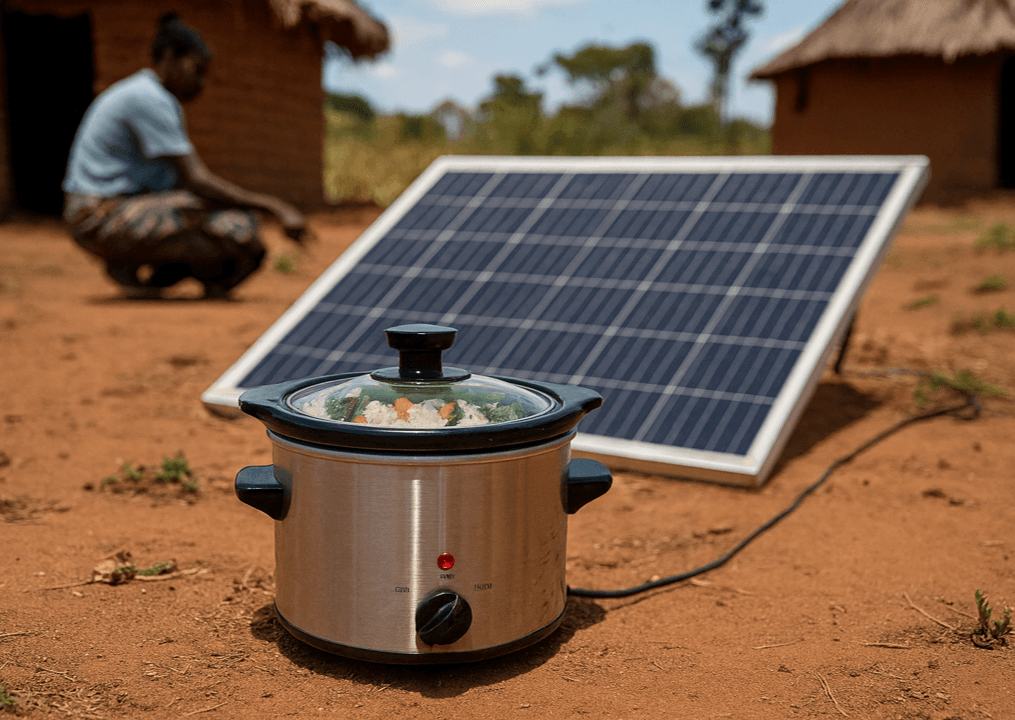
DC powered Solar Cooking
cookingsolarno fuel
Cook every meal on sunshine, with nothing to burn. No firewood to gather, no gas to refill, no smoke in the kitchen. Set the pot, walk away and dinner stays warm long after the sun is gone.
Lightlight · build it yourself · learn
MIA I and II
lightbuild it yourselflearn
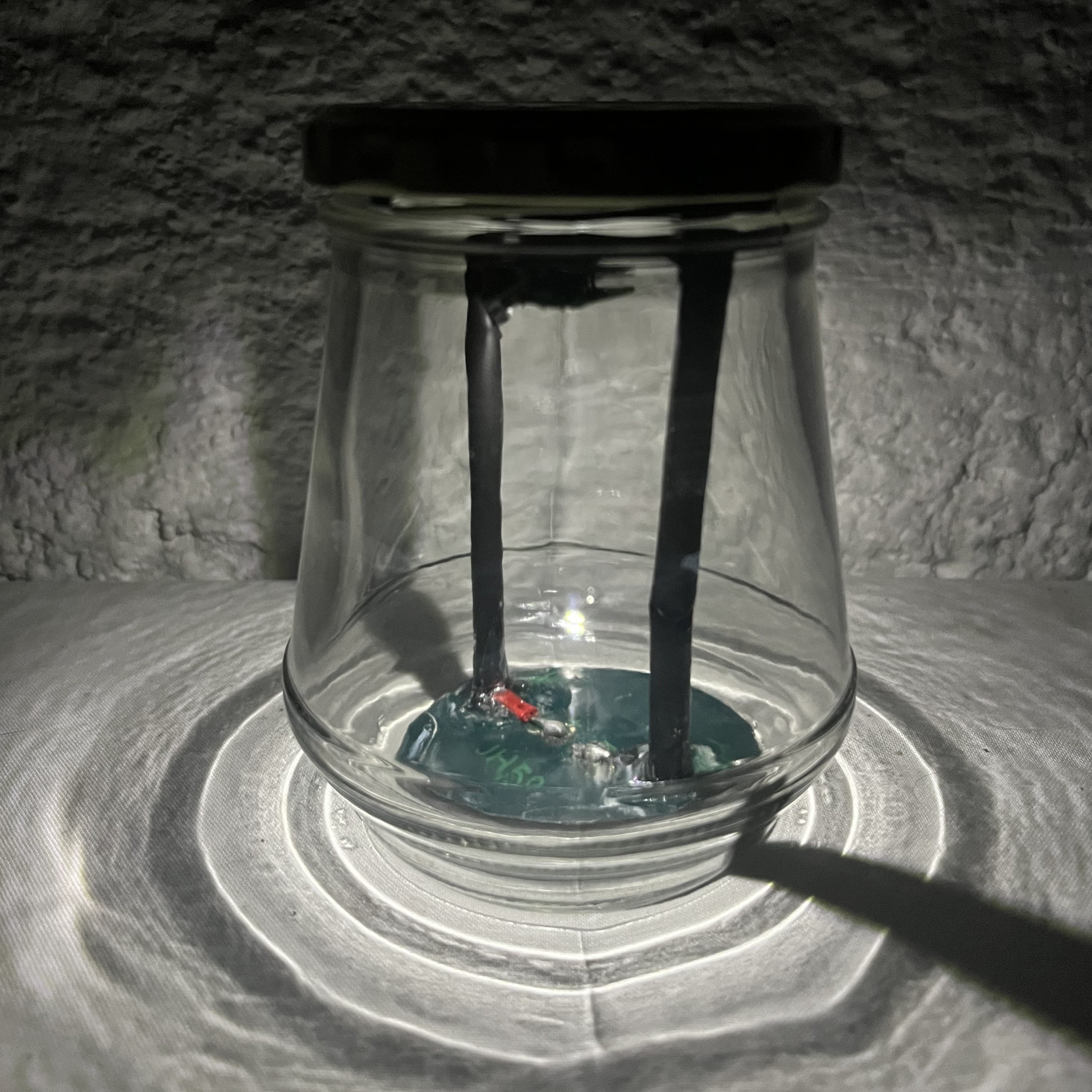
A lamp people build with their own hands and learn electronics while they do. Simple enough for a first soldering lesson, bright enough to light the evening. It even fits an old jar, so a glass that was headed for the bin becomes a lamp that lasts.
Light & Chargelight + phone charging · off grid
MIA III
light + phone chargingoff grid
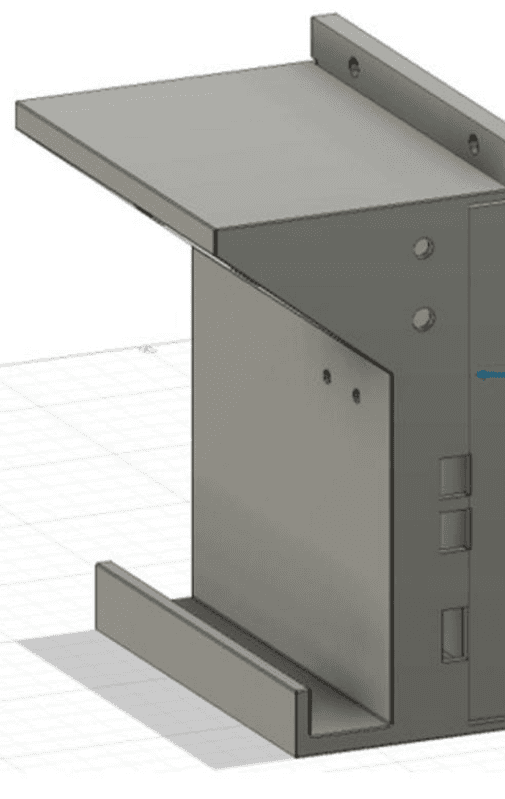
Light in every room and a charged phone by evening, straight from the sun, no grid needed. Dim it down to stretch the evening, turn it up when you need it. One panel on the roof keeps the house lit and everyone connected.
Solar home systemfull home power · off grid · no inverter
MIA IV (ISSS)
full home poweroff gridno inverter
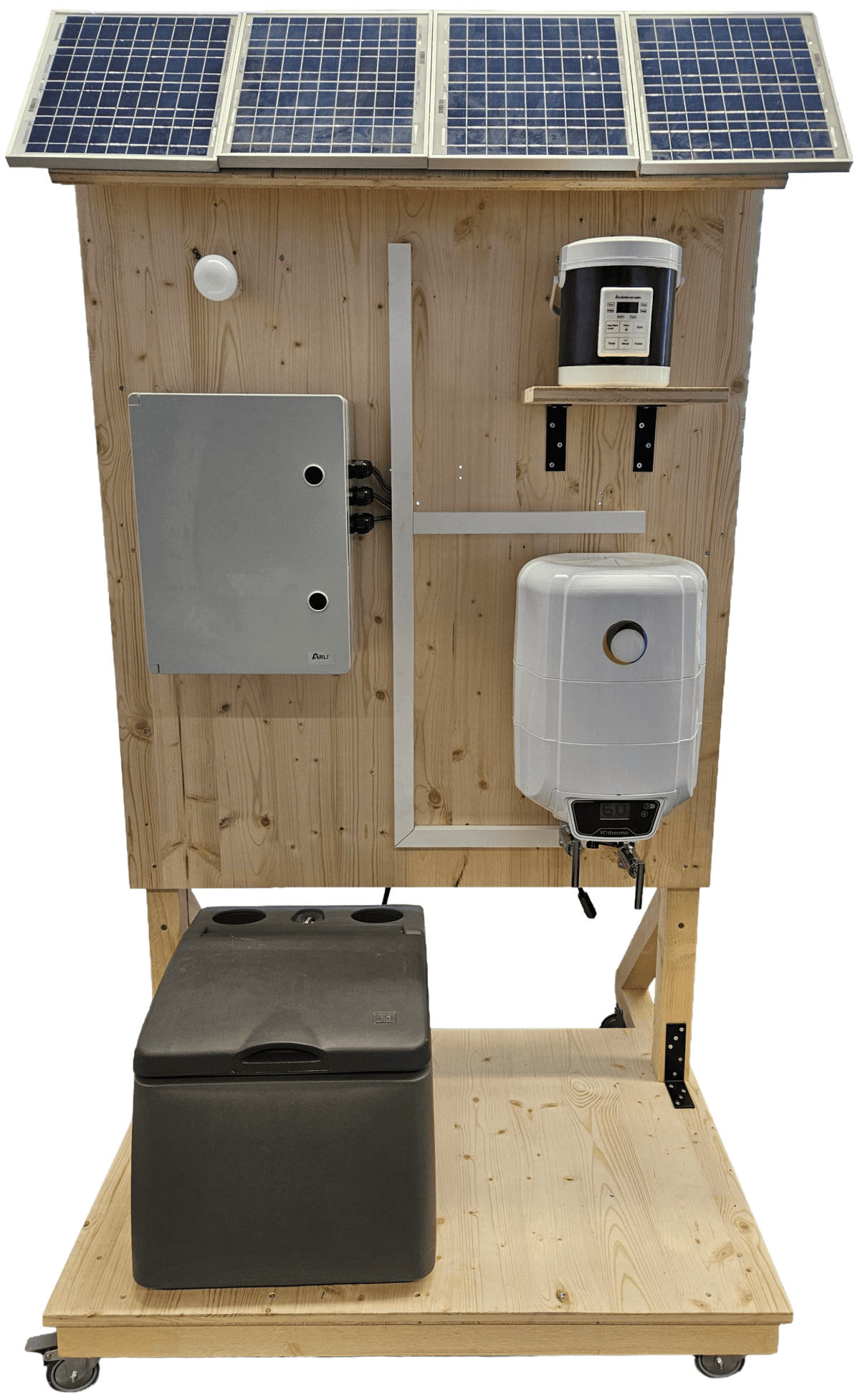
Full power for a home the grid never reached. Light, cooling, charging, all from the sun. All from DC. Without an inverter. Our multistaging technology lets it run on cheaper and reused batteries, so a complete system costs far less than the usual off grid setup.
projects
Kits on the ground.
MIA INamibia
Penduka Solar Lantern Assembly Training
Namibia
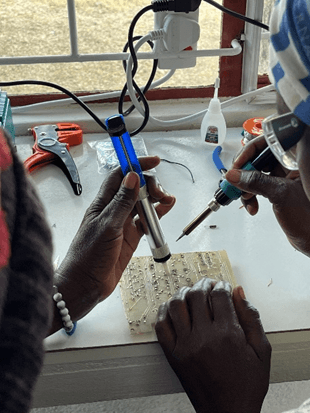
At Penduka, women who built income in textiles now assemble MIA I solar lanterns. Four trainees per session, hands-on from the start. The skill stays in the room. Each lantern is income earned here.
In Malawi, the solar slow cookers go into real kitchens for the first time. The pilot runs with a local partner who has worked on solar cooking in Malawi for years, testing how the cookers hold up in daily use. The harder part is habit, because firewood is familiar.